


Patterned Glass
What Is Patterned Glass?
Patterned glass is glass that has been treated with a process to create a decorative pattern or texture on its surface. There are several ways to create patterned glass, including acid etching, sandblasting, and screen printing. Patterned glass is often used in architectural applications, such as windows, doors, and partitions, to add privacy and decorative interest. It can also be used in furniture, lighting, and decorative objects. Some common patterns include frosted, etched, and stained glass designs.
Advantages of Patterned Glass
Privacy:Patterned glass is an excellent option for areas where privacy is a concern. Its unique patterns create a distorted view, making it difficult for others to see through the glass. This makes it ideal for use in bathrooms, entryways, or any space where you want to maintain privacy without sacrificing natural lighting.
Light diffusion:One of the main advantages of patterned glass is its ability to diffuse light. The textured surface of the glass scatters light that passes through, creating a softer and more diffused illumination. This eliminates harsh glares and reduces eye strain, making it an excellent choice for creating a comfortable and inviting ambiance in spaces like living rooms and dining areas.
Decorative appeal:Patterned glass adds an artistic touch to any space. With a wide variety of designs and patterns available, it allows you to create a unique and eye-catching look. From simple geometric patterns to intricate floral designs, patterned glass can elevate the visual appeal of windows, doors, partitions, or any architectural element where it is used.
UV protection:Just like regular glass, patterned glass provides protection against harmful ultraviolet (UV) rays. UV rays can cause damage to furniture, flooring, and other interior elements by fading or discoloring them over time. By choosing patterned glass, you can enjoy the benefits of natural light while minimizing the risk of UV-related damage.
Safety and security:Patterned glass is also advantageous in terms of safety and security. Its textured surface makes it more durable, reducing the risk of breakage or shattering. When patterned glass does break, it tends to crack into smaller, safer pieces, minimizing the risk of injury. This makes it a suitable choice for applications where safety is a concern, such as shower doors or glass partitions.
-
![Clear Pattern Glass]()
-
![Frosted Tempered Glass Panels]() Frosted Tempered Glass PanelsProduct:Frosted tempered glass panelsread more
Frosted Tempered Glass PanelsProduct:Frosted tempered glass panelsread more
Thickness:3mm,4mm,5mm,6mm,8mm,10mm,12mm,15mm,19mm
Place of Origin:Qinhuangdao, China
Structure:Solid -
![Clear Pattern Glass]() Clear Pattern GlassThickness:3mm,4mm,5mm,6mm,8mm,10mm,12mm,read more
Clear Pattern GlassThickness:3mm,4mm,5mm,6mm,8mm,10mm,12mm,read more
Place of Origin:Qinhuangdao, China
Structure:Solid -
![Coloured Patterned Glass]() Coloured Patterned GlassThickness:3mm,4mm,5mm,6mm,8mm,10mm,12mm,read more
Coloured Patterned GlassThickness:3mm,4mm,5mm,6mm,8mm,10mm,12mm,read more
Color:Bronze, Blue,Grey, French Green, Dark Green, Ford Blue,Black,Clear etc.
Place of Origin:Qinhuangdao, China
Structure:Solid -
![Patterned Double Glazed Glass]() Patterned Double Glazed GlassProduct:Patterned double glazed glassread more
Patterned Double Glazed GlassProduct:Patterned double glazed glassread more
Thickness:3mm,4mm,5mm,6mm,8mm,10mm,12mm,
Place of Origin:Qinhuangdao, China
Structure:Solid -
![Patterned Safety Tempered Glass]() Patterned Safety Tempered GlassProduct:Patterned safety tempered glassread more
Patterned Safety Tempered GlassProduct:Patterned safety tempered glassread more
Thickness:3mm,4mm,5mm,6mm,8mm,10mm,12mm,
Place of Origin:Qinhuangdao,China
Structure:Solid -
![Flower Pattern Glass]() Flower Pattern GlassProduct:Flower pattern glassread more
Flower Pattern GlassProduct:Flower pattern glassread more
Thickness:3mm,4mm,5mm,6mm,8mm,10mm,12mm,
Color:Clear,Bronze, Blue,Grey, French Green, Dark Green, Ford Blue,Black etc.
Place of...


Why Choose Us
High quality
Our products are manufactured or executed to very high standards, using the finest materials and manufacturing processes.
Competitive Price
We offering a higher-quality product or service at an equivalent price. As a result we have a growing and loyal customer base.
Rich experience
Our company has many years of production work experience. The concept of customer-oriented and win-win cooperation makes the company more mature and stronger.
Global shipping
Our products support global shipping and the logistics system is complete, so our customers are all over the world.
After-sale service
Professional and thoughtful after-sales team ensures you have no worries, with intimate service and strong after-sales team support.
Advanced equipment
A machine, tool or instrument designed with advanced technology and functionality to perform highly specific tasks with greater precision, efficiency and reliability.
Types of Patterned Glass
Frosted glass
Frosted glass is probably the most common type of patterned glass. It has a translucent finish that diffuses light, providing privacy without compromising natural light. Frosted glass is extremely versatile and can be used in a variety of settings such as windows, doors, shower enclosures and partitions. It also comes in different patterns, including simple, geometric or custom designs.
Rain glass
Rain glass mimics the look of raindrops running down a window. It has a textured surface that provides a unique visual effect while providing privacy. This type of patterned glass is commonly used in shower doors, windows and room dividers. Rain glass can create a tranquil and elegant atmosphere in any space.
Reed glass
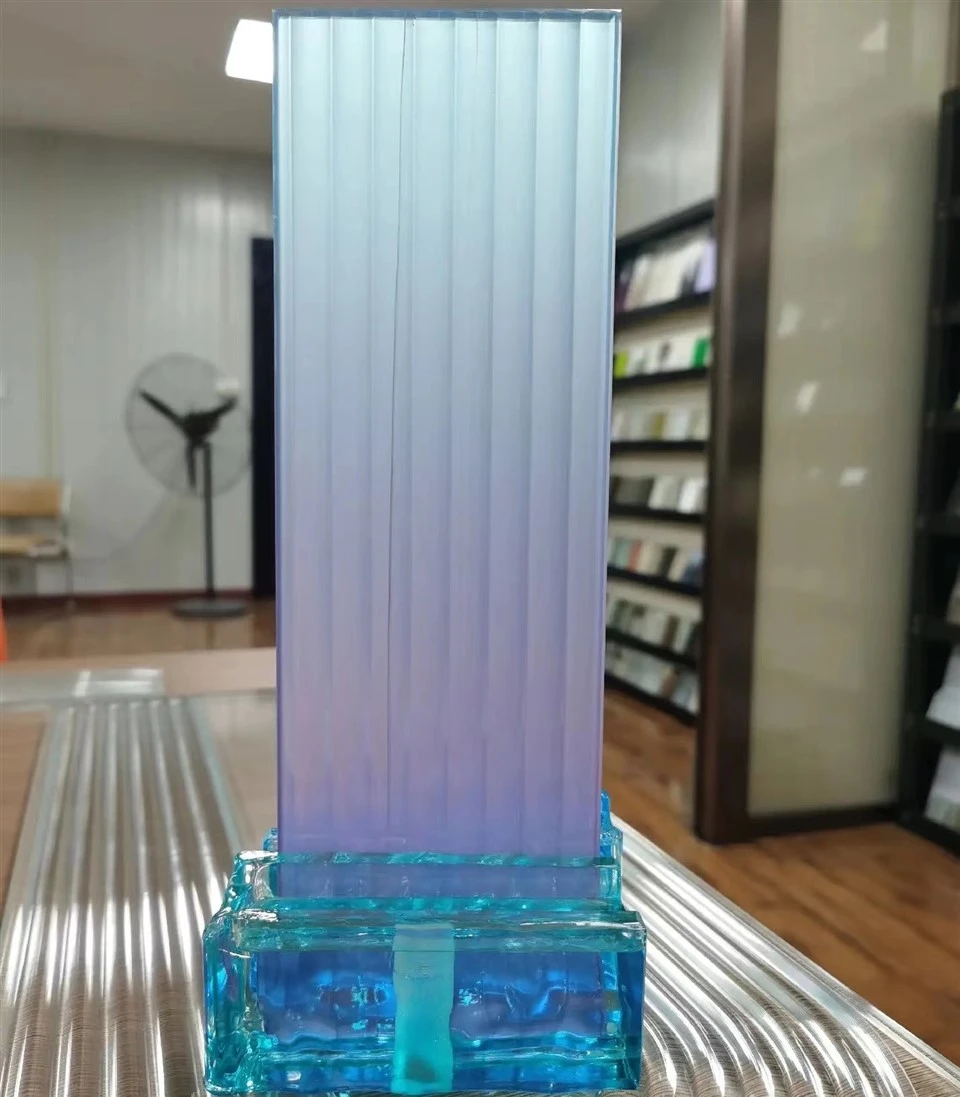
Reed glass has a pattern of parallel lines running vertically or horizontally. This type of textured glass is commonly used in cabinets, room dividers, and decorative doors. Reed glass adds a touch of sophistication that can enhance the overall design of a room. It allows light to pass through while blocking views and providing privacy.
Glass seed crystal
Seed glass is characterized by small bubbles or seeds embedded within the glass, giving it a unique textured appearance. This type of glass is commonly used in cabinets, light fixtures, and decorative doors. Seeded glass adds vintage and rustic charm to any space and can be the focal point of an interior design.
Fluted glass
Fluted glass has vertical grooves or ridges that run from top to bottom. This type of patterned glass is commonly used for windows, doors and partitions. Fluted glass can add depth and visual interest to a room while maintaining privacy. It is often found in contemporary or modern interior designs.
Obfuscated glass
Dark glass is a general term used to describe any type of patterned glass that provides privacy without completely blocking light. It comes in various patterns, textures and opacity levels. Dark glass is often used in bathrooms, offices and conference rooms where privacy and natural light are needed.
Application of Patterned Glass
Architectural applications
Patterned glass is often used in architectural applications, such as windows, doors, and partitions. It can add privacy and decorative interest to a space, while still allowing natural light to pass through. Patterned glass can also be used to create unique effects, such as the illusion of texture or depth.
Interior design
Patterned glass can be used in interior design to add visual interest to a space. It can be used as a backsplash in a kitchen or bathroom, or as a decorative panel in a living room or bedroom. Patterned glass can also be used to create custom furniture, such as tables and shelves.
Decorative objects
Patterned glass can be used to create decorative objects, such as vases, bowls, and sculptures. It can add a unique touch to these objects and make them stand out in a room.
Lighting
Patterned glass can be used in lighting applications, such as lamp shades and fixtures. It can diffuse light and create a soft, warm glow in a room.
Signage
Patterned glass can be used in signage applications, such as storefront windows and displays. It can add visual interest to a sign and make it more memorable.
Components of Patterned Glass
Raw materials
Patterned glass is typically made from a mixture of high-quality silica sand, soda ash, limestone, and other additives. These raw materials are carefully selected to ensure the glass's durability and clarity. Silica sand provides the basic structure of the glass and contributes to its transparency, while soda ash helps to lower the melting point of the glass. Limestone is added to improve the glass's chemical and physical properties.
Texture or pattern
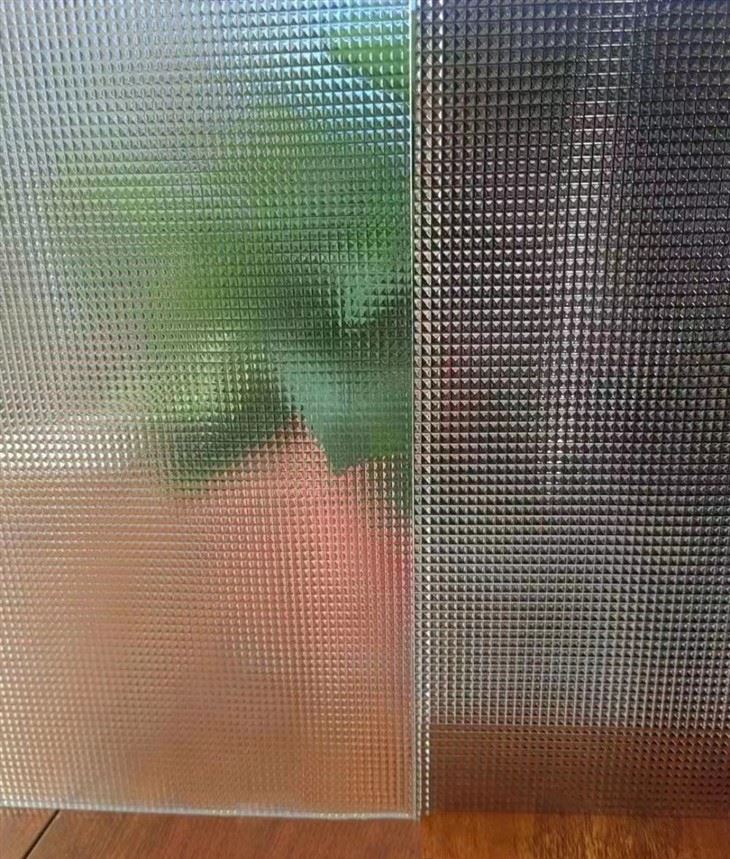
The main component that differentiates patterned glass from regular glass is the texture or pattern applied to its surface. This texture can be achieved through various manufacturing techniques, including rolling, pressing, or etching. The pattern can be geometric, abstract, floral, or even replicate natural elements such as waves or leaves. Different patterns offer different levels of privacy and light diffusion, allowing for customization based on specific functional and design requirements.
Transparency and opacity
The level of transparency and opacity in patterned glass depends on the specific design and manufacturing process. Some patterns are more opaque, providing increased privacy by obscuring the view through the glass without blocking the light. Other patterns allow for varying degrees of transparency, creating a balance between privacy and natural daylighting. This versatility makes patterned glass suitable for a wide range of applications, from decorative shower doors to office partitions.
Thickness
Patterned glass is available in different thicknesses, ranging from 3mm to 12mm or even thicker. The choice of thickness depends on the intended use of the glass and the desired level of durability. Thicker glass is often preferred for applications where strength and security are important, such as external windows or doors. Thinner glass, on the other hand, is commonly used in interior design elements like cabinets or tabletops.
Safety features
Patterned glass can also be enhanced with safety features to minimize the risk of injury in case of breakage. For instance, tempered glass is produced by heating the glass to a high temperature and then rapidly cooling it. This process creates a glass that is much stronger than regular annealed glass and, if broken, shatters into small granular pieces rather than sharp shards. Laminated glass consists of two or more layers of glass with an interlayer of polyvinyl butyral (PVB) that holds the pieces together when shattered, providing additional safety and security.
Material of Patterned Glass
Patterned glass can be made from various materials, including silica, soda ash, limestone, and dolomite. These materials are combined and melted at high temperatures to form a molten glass mixture. Depending on the desired pattern and texture, different additives like metallic oxides or pigments can be added to the mixture. These additives not only enhance the visual appeal of the glass but also provide it with specific properties like heat resistance or strength.
How to Maintain Patterned Glass
Regular cleaning
Regularly cleaning your patterned glass is crucial to prevent dirt, dust, and grime buildup. Use a soft lint-free cloth or sponge, along with a mild cleaning solution or glass cleaner, to wipe the surface gently. Avoid using harsh chemicals or abrasive cleaners that can damage the patterns or etch the glass. Start cleaning from the top and work your way down to avoid streaks or watermarks.
Avoid excessive force
While cleaning, avoid using excessive force or pressure as it can weaken the glass and damage the patterns. Instead, use gentle strokes in a circular motion to remove any stubborn stains or marks. Remember to handle the glass with care to avoid any accidental breakage.
Use distilled or filtered water
Using distilled or filtered water for cleaning patterned glass can prevent the formation of water spots or mineral deposits. Tap water often contains minerals that can leave residue on the glass, making it appear cloudy or dull over time. Therefore, it is advisable to use purified water for cleaning to maintain the glass's clarity and shine.
Dry properly
After cleaning, ensure the patterned glass is thoroughly dried to avoid the accumulation of moisture. Use a clean, dry microfiber cloth to wipe off any remaining moisture or water droplets from the surface. Leaving the glass wet can lead to water spots or streaks, diminishing its appearance.
Prevent scratches
Patterned glass is susceptible to scratches, so it is essential to handle it with care. Avoid using rough or abrasive materials while cleaning or drying the glass. Additionally, keep sharp objects away from the glass surface to prevent accidental scratches.
Avoid direct sunlight exposure
Exposure to direct sunlight over an extended period can cause patterns on the glass to fade or lose their vibrancy. Consider using curtains, blinds, or UV protective films on windows and doors with patterned glass to minimize sun exposure. This precaution will help maintain the pattern's original beauty and prevent any color fading.
Regular inspections
Regularly inspect your patterned glass for any signs of damage, cracks, or deterioration. Early detection can help prevent further damage and costly repairs. If you notice any issues, contact a professional glass repair service to address the problem promptly.
Protective coatings
Consider applying protective coatings or films specifically designed for patterned glass. These coatings can provide an additional layer of protection against scratches, stains, and dirt. Consult with a professional glass expert for the most suitable coating options for your patterned glass.
The working principle of patterned glass involves the creation of a decorative pattern or texture on the glass surface. The manufacturing techniques used, such as roller printing, acid etching, and casting, allow for a wide range of design variations. The primary purpose of patterned glass is to provide privacy while still allowing some level of light transmission. With its versatility and visual appeal, patterned glass has become an indispensible element in modern architecture and design. Patterned glass also has the advantage of obscuring the view of any objects or individuals behind it, reducing visual clutter. This makes it an ideal choice for areas such as bathrooms, partition walls, and doors. Additionally, the textured surface of patterned glass can create interesting visual effects by reflecting light in different ways, adding depth and dimension to the surrounding space.In terms of applications, patterned glass is widely used in both residential and commercial settings. It can be used for windows, doors, shower enclosures, partitions, and even furniture. Its versatility and aesthetic appeal make it a popular choice among architects, interior designers, and homeowners.
How to Choose the Patterned Glass Correctly
Patterns and textures
Patterned glass comes in a variety of patterns and textures, such as frosted, etched, stained and printed. Consider the style and theme of the space where the glass will be used, and choose patterns and textures that complement it.
Transparency
Patterned glass can be clear, translucent or opaque. Clear glass allows most light to pass through, while translucent glass allows some light to pass through but blocks the view. Opaque glass blocks all light and view. When choosing a glass transparency, consider the level of privacy and light control you require.
Color
Patterned glass can be clear or come in a variety of colors. Consider the color scheme of the space where the glass will be used and choose colors that complement it.
Durability
Patterned glass comes in different thicknesses and durability levels. Thicker glass is more durable and less likely to break or shatter, while thinner glass is more fragile. When choosing glass thickness, consider your desired level of durability.
Maintenance
Patterned glass requires some maintenance to keep it looking its best. Certain patterns and textures may be more susceptible to dirt and fingerprints than others. When choosing patterns and textures for your glass, consider the amount of maintenance you're willing to do.
Cost
Prices for patterned glass vary based on pattern, texture, transparency, color, thickness, and durability. Consider your budget when choosing glass and choose a style that fits your price range.
1. Proper installation
It is essential to hire a professional glass installer who has experience working with patterned glass. Improper installation can lead to breakage or damage, compromising the effectiveness and durability of the glass. A professional installer will ensure that the glass is correctly placed and secured, reducing the risk of accidents.
2. Handling with care
Patterned glass is more fragile than regular glass due to the intricacies of its design. When handling patterned glass, it is crucial to be gentle and avoid placing excessive pressure on its surface. Dropping or mishandling the glass can result in cracks or breakage, necessitating replacement.
03
Cleaning and maintenance
Regular cleaning of patterned glass is necessary to maintain its appearance and functionality. However, it is important to use gentle cleaning solutions and materials to avoid scratching or damaging the glass surface. Avoid using abrasive cleaners or scrub brushes, as these can permanently mar the patterned design.
04
Avoid extreme temperature changes
Patterned glass can expand or contract with sudden temperature changes, potentially leading to cracks or breakage. To prevent this, avoid exposing patterned glass to extreme heat or cold. For example, do not place hot objects directly on the glass surface, as this can cause thermal stress and damage.
05
Safety precautions
If patterned glass is used in areas where there is a risk of impact or accidental breakage, such as doors or low windows, consider using safety film or laminating the glass to prevent shattering. Safety measures such as these can provide added protection and minimize the risk of injury.
06
Regular inspections
Periodically inspect patterned glass for any signs of damage or deterioration. Look for cracks, chips, or loose fittings, as these can compromise the structural integrity of the glass. Timely repairs or replacements can prevent further damage and ensure the glass remains safe to use.
1. Measurement
Accurately measure the opening where the glass will be installed. Make sure your measurements are accurate to avoid any fit issues.
2. Cutting glass
Based on your measurements, cut the patterned glass to the appropriate size. This process uses a glass cutter and a ruler. Follow the manufacturer's instructions carefully to avoid chipping or cracking of the glass.
3. Preparation
Prepare the opening, making sure it is clean and free of clutter. If it is an existing frame, remove any old glass or material.
4. Installation of the frame
If the patterned glass will be installed in a new frame, follow the instructions provided for assembly. Make sure the frame is square and level.
5. Insert the glass
Carefully place the patterned glass into the frame. If necessary, apply a small amount of silicone or glass compound around the edges to hold the glass in place.
6. Sealing
Use a sealant, such as silicone caulk, to fill the gap between the glass and the frame. This creates a weatherproof seal and prevents water penetration.
7. Cleaning
Remove excess sealant and clean the glass to remove smudges or fingerprints.
8. Curing
Allow the sealant to cure according to the manufacturer's recommendations. During this time, avoid putting pressure on or near the glass to prevent it from moving.
9. Check
After the sealant has cured, inspect the installation to ensure there are no gaps or defects.
What Are the Trends and Development Directions of Patterned Glass in the Market

Energy saving and environmental protection
With the increasing awareness of energy conservation and environmental protection, more and more architects and designers are choosing energy-saving and environmentally friendly patterned glass. This type of glass generally has good thermal insulation properties and can reduce energy consumption.
Personalized customization
Patterned glass can be customized according to customer needs, which not only meets the customer's individual needs, but also adds unique charm to the building.
Integration with intelligent technology
Patterned glass can be combined with smart technologies such as sensor technology and smart glass technology to achieve intelligent control of light and privacy.
Multifunctional applications
Patterned glass can not only be used as a decorative material, but also has other functions such as sound insulation, anti-glare, and anti-static.
HUAYOU GLASS CO.,LTD. is a professional supplier of glass in China with more than 15 years. We mainly export glass and its deep-processing products to North America, South America, Africa, Asia and more than 50 countries. And It has passed ISO, SGS certificates, to meet the different quality standard requirements of different countries.


FAQ
As one of the most professional patterned glass manufacturers and suppliers in China, we're featured by quality products and competitive price. Please rest assured to buy patterned glass for sale here from our factory.
Patterned Double Glazed Glass, Patterned Glass, Coloured Patterned Glass